Turning farm slurry into reliable renewable energy at Bays Leap Farm
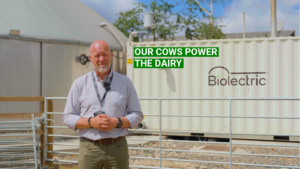
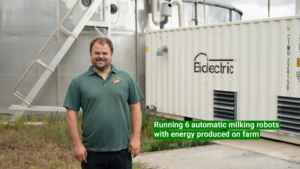
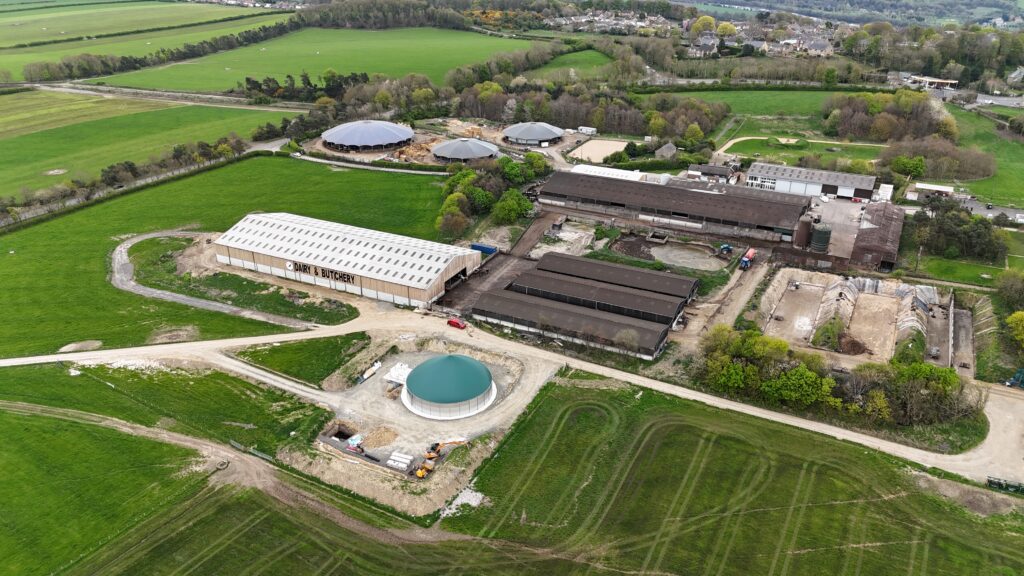
At Bays Leap Farm in Northumberland (https://www.baysleaporganic.co.uk/), farm manager Chris MacDonald explains how Biolectric’s anaerobic digestion system is helping the organic dairy farm produce its own renewable electricity, reduce energy costs and make better use of its farm resources.
Meeting the farm’s energy needs
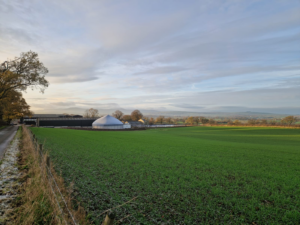
Bays Leap Farm is home to 1,000 dairy cows and also produces grass-fed beef. With three farm shops welcoming customers, the farm has a significant and consistent demand for energy.
The farm had previously considered several renewable energy options, including solar panels and anaerobic digestion. However, an AD project was initially considered too expensive. After continuing to explore the possibilities, the team found Biolectric and decided to move forward with a system that could generate electricity directly from the farm’s cow slurry.
Reliable power, day and night
One of the main advantages for Bays Leap Farm is the consistent output of the Biolectric system. While solar panels depend on daylight and weather conditions, the anaerobic digestion plant can operate 24/7, producing biogas to power the engines.
“Where the AD comes in, it’s really in 24/7,” says Chris.
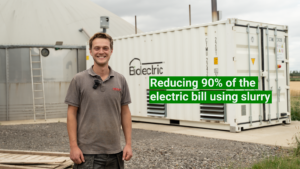
This dependable energy supply has had a significant impact on the farm’s electricity costs. According to Chris, the system has reduced the farm’s electricity bill by around 90%.
The farm is also looking at recovering the system’s hot water, creating another opportunity to make full use of the energy produced on-site.
A straightforward system to operate
For Chris, day-to-day operation is relatively simple. The cow slurry is pumped into the system several times a day, while routine checks help ensure that the pump remains free from unwanted materials such as plastic, string or cow clogs.
The Biolectric app also provides additional support and makes it easier to monitor the system. In Chris’s experience, the installation requires limited manpower and generally operates without demanding constant attention.
“It just works,” he says.
Digestate returned to the fields
The value of the system extends beyond electricity generation. After the cow slurry has been processed, the resulting digestate can be returned to the farm and used as a valuable source of nutrients for the fields.
This means the farm can make better use of its own resources: slurry is used to produce biogas and renewable electricity, while the digestate remains available for land application.
Quick installation and fast results
Bays Leap Farm also benefited from a rapid installation process. The system was delivered on a Saturday, and the installation team completed the main work within a few days. After the plant was filled with seed digestate, the farm was running one engine within approximately a week.
Chris highlights the contrast with larger projects that can require significant investment and take years to become operational. At Bays Leap Farm, the Biolectric system was producing energy shortly after installation.
A solution with room to grow
With enough cows and slurry available, Bays Leap Farm sees potential for further expansion. Chris is already considering the possibility of adding another unit, which could allow the farm to increase its energy production and potentially start supplying electricity to the grid.
“We all need energy. It’s not going away,” he says.
For farms looking to reduce their dependence on purchased electricity, anaerobic digestion can offer a practical way to convert livestock slurry into reliable renewable power while retaining valuable nutrients for the land.
Find out what Biolectric can do for your farm
Would you like to discover how much energy your farm could generate from cow slurry?
Contact Biolectric to explore the possibilities of on-farm anaerobic digestion and find the right solution for your operation.